Net Metering
Understanding Net Metering in Bangladesh: A Homeowner's Guide
By Farhana Chowdhury, Program Lead · February 14, 2025
If you have started researching rooftop solar for your home or business in Bangladesh, you have almost certainly come across the term "net metering." It sounds technical, but the underlying idea is simple: net metering lets you send surplus solar power back to the grid and receive credit for it, rather than losing that energy or needing a battery to store every unit you generate.
This guide walks through how net metering generally works in Bangladesh, what to expect from your local distribution utility, and how to think about system sizing before you apply.
What Net Metering Actually Means
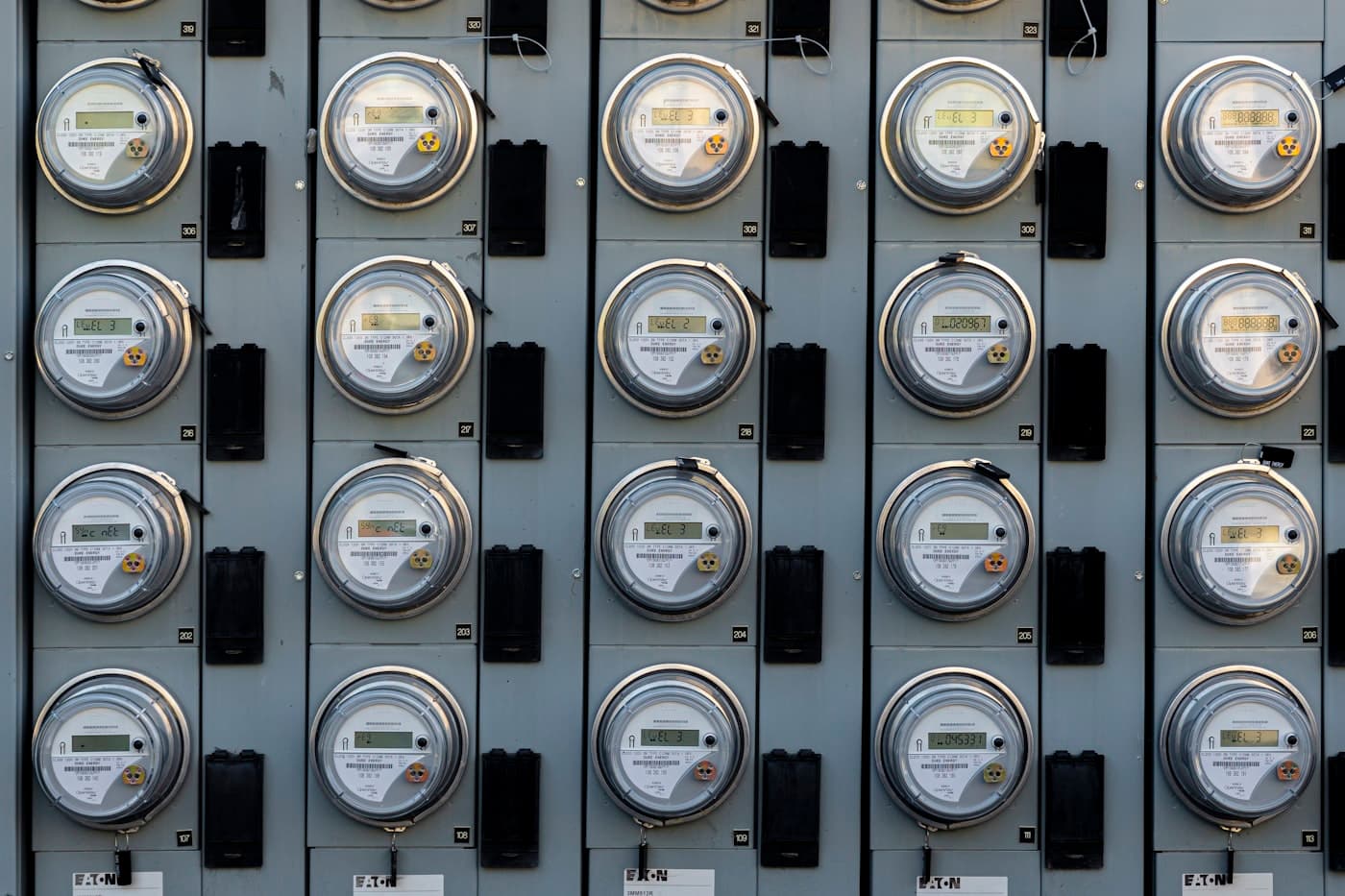
A net metering arrangement replaces your ordinary one-way electricity meter with a bi-directional meter that tracks power flowing in both directions:
- Energy you draw from the grid when your solar system is not producing enough (early morning, evening, cloudy days)
- Energy you export to the grid when your panels produce more than your building is using at that moment
At the end of each billing cycle, the utility nets these two figures against each other. If you exported more than you imported, the surplus is typically carried forward as a credit toward future bills, up to policy-defined limits. If you imported more, you simply pay for the difference at standard tariff rates.
Working With Your Local Distribution Utility
Bangladesh's power distribution is handled by several different entities depending on where you live, and each has its own process, forms, and timelines for connecting a rooftop solar system:
- DPDC (Dhaka Power Distribution Company) — serves large parts of the city, particularly older Dhaka areas
- DESCO (Dhaka Electric Supply Company) — serves other zones within greater Dhaka
- BPDB (Bangladesh Power Development Board) — serves many urban and semi-urban areas outside Dhaka
- REB (Rural Electrification Board), through Palli Bidyut Samities — serves rural and semi-rural connections across the country
While the broad regulatory framework for renewable net metering is similar across these utilities, the actual paperwork, inspection scheduling, and turnaround times can vary. It is worth confirming directly with your local office (or through your installer) which utility serves your connection and what their current requirements are, since procedures are occasionally updated.
The General Approval and Interconnection Process
While details differ by utility, most net metering applications in Bangladesh follow a broadly similar sequence:
- Site assessment — an installer evaluates your roof space, structural condition, shading, and existing electrical service capacity.
- System design and documentation — a proposed system size, single-line diagram, and equipment specifications are prepared for submission.
- Application to the utility — paperwork is filed with the relevant distribution company, along with ownership documents and technical drawings.
- Utility review — the utility checks that the proposed system fits within any capacity limits for your connection and transformer capacity in your area.
- Installation and inspection — once approved, the system is installed, and the utility (or an authorized inspector) verifies the installation meets safety standards.
- Meter replacement and commissioning — the existing meter is swapped for a bi-directional meter, and the system is formally allowed to export power.
Timelines can range from a few weeks to a couple of months depending on the utility's workload and how complete your documentation is. Working with an installer who is familiar with the specific utility's forms can meaningfully reduce back-and-forth delays.
How Billing Credits Typically Work
Because net metering nets exports against imports over a billing period, the financial benefit depends heavily on your consumption pattern relative to your generation pattern. A few practical points to keep in mind:
- Households or businesses that use a lot of power during daylight hours tend to get more direct value from solar, since they consume what they generate in real time rather than relying on export credits.
- Carried-forward credits are usually capped or subject to expiry rules, so oversizing a system far beyond your own consumption is rarely the most efficient strategy.
- Billing cycles and credit rollover policies can change over time as regulations evolve, so it's worth asking your installer or utility for the current policy rather than relying on older information.
Sizing Your System for Eligibility and Value
Utilities generally set some kind of ceiling on how large a net-metered system can be relative to your sanctioned electrical load or transformer capacity in your area. Before finalizing a system size, consider:
- Your sanctioned load — the capacity registered with your utility connection, which often caps how much solar capacity you can install under net metering.
- Your actual consumption profile — reviewing a year of past bills helps identify a system size that offsets a meaningful share of usage without dramatically overshooting it.
- Roof area and orientation — available, unshaded roof space ultimately constrains how much capacity can be physically installed.
- Future load growth — if you plan to add air conditioning, an EV charger, or expand your business, it may be worth sizing with some room to grow, within utility limits.
Getting It Right the First Time
Net metering can make rooftop solar meaningfully more attractive by turning surplus generation into bill credit instead of wasted energy. But because the process involves utility paperwork, technical documentation, and inspection steps that vary by distribution company, it helps to work with a team that has been through the process before.
CZ Engineering assists homeowners and businesses in Dhaka and surrounding areas with the full journey — from an honest assessment of your roof and consumption profile to preparing utility documentation and commissioning. If you are exploring Residential Rooftop Solar for your home, or need help scoping a larger system through our EPC Installation service, feel free to contact us for a no-pressure consultation.